Meet your new Non-Executive Director: Timandra Harkness
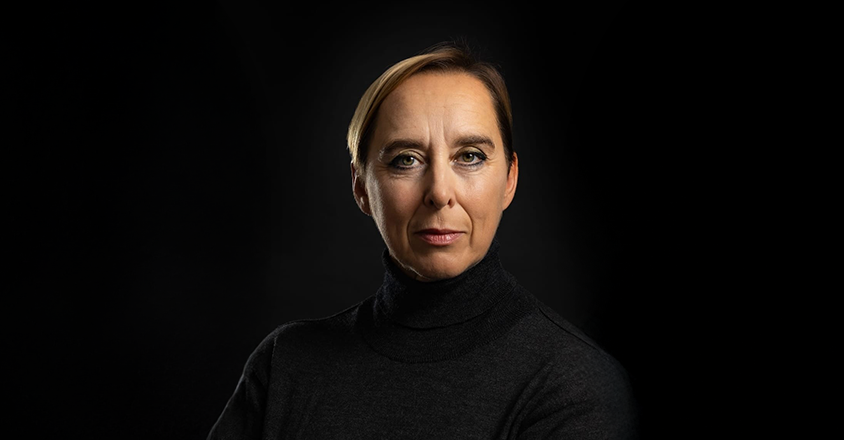
We sat down with Timandra Harkness, one of two new Non-Executive Directors elected by ALCS members, to learn about her background, her reasons for deciding to stand and what she sees as the biggest issues for writers.
Can you tell us about your background?
I started off writing and performing stand-up comedy, and then that broadened out to writing comedy more generally. I think my midlife crisis was that, after remembering how much I’d loved maths at school, I decided to do a Maths and Statistics degree at the Open University. It started out being just for fun, but then during that time, suddenly statistics became a bit of a cultural phenomenon. I got into journalism and somehow it all came together into writing non-fiction. So I now seem to specialise in writing books that are broadly about technology but also contain far too many puns!
What perspectives do you think you’ll bring to the ALCS Board of Directors?
This role has a particular focus on digital technologies, which is the thing I’ve been writing about for the last 15 years or so. I participate in a lot of panels and debates about AI, data and regulation, so I feel like I have a good grasp on what the different arguments are and the different interests that are at stake. Which I think will be really useful, as AI is such an important issue for writers and other creatives at the moment.
What interested you in standing to serve on the ALCS Board?
With the AI issue being so urgent for writers, and with my background, I felt like I had a lot to offer and that the time was right. I also think ALCS is such an important organisation for writers. I’ve been a member of ALCS for a number of years, and have always been very impressed by the way us writers simply tell ALCS what we’ve written, and money magically appears twice a year like Santa Claus (I know the magic will disappear once I get started)! It is also a lovely thing to see that your works continue to be used and that they continue to bring value to the world.
Last year, you published Technology Is Not The Problem, could you speak about some of the themes you explore in that?
It may seem a surprising title when I just said that I’m quite concerned about the impact! The original title was the Personalised Century because it was about how technology personalises everything for us. Organisations collect loads of data about us, build digital profiles for us, and then the illusion that we have is that the world is filtered and selected for our benefit as individuals. Of course, that’s the opposite. What is actually happening is that we are being filtered and selected for the purposes of advertisers or people who want to sell us things.
I wanted to write about it because it’s an interesting mix of how the technology works, and how we work as a human society. The more I looked into it, the more the theme of the book moved away from the technology and towards us and our endless hunger to be recognised as unique, special individuals and to have our identity reflected back to us at all times. If the technology didn’t exist, the fundamental problem would remain, because it’s a social problem which is that we’re disconnected from each other and insecure about who we are.
You’ve joined at a time when AI and the unauthorised use of writers’ works is high on the organisation’s agenda. What are your thoughts on this issue and its impact on writers?
I think it’s a scandal. They’ve acted as if copyright doesn’t apply to them, just because they’re AI companies. This often happens with novel technologies, companies do what they can until legislation is brought in to stop them. But this is particularly egregious, because these programs have already ingested vast amounts of text and images created by humans, to then recombine things in a way that, if a human did it, they would rightly get in trouble for infringement.
It’s very disappointing that some Governments, especially the UK, have been too slow to recognise these issues, and have leant so far the other way in their keenness to extract economic benefits from AI, that they were willing to waive copyright laws for AI companies. I’m not against innovation, but I don’t think you get a free pass to use other people’s work just because you’re being innovative. And ALCS and its partners have done a fantastic job making this case, and I look forward to carrying that on!
Away from AI, are there any other areas that you think are pressing issues for writers at the moment?
I think there’s a general crisis of writers’ trying to make a living. Speaking with my journalist hat on, news organisations are under pressure for a lack of income, which technology has some part in. Beyond journalism, writers’ incomes are falling for a host of structural reasons for which there are no easy fixes. What we can do at ALCS is ensure that secondary rights are respected and that writers continue to receive these supplementary income streams for uses of their works, which hopefully can help to sustain their writing careers.
Finally, what are you currently reading?
I’m actually reading a lot of books on sailing at the moment, because I’m working on my next non-fiction book about risk, and there are many amazing stories throughout history of people who learned a lot about risks while on boats! So I’m currently reading Sailing Alone by Richard King, and Sailing Alone Around the World by Joshua Slocum, who was the first man to sail alone around the world in 1895. Simultaneously, I’m slowly making my way through Ulysses!
You can learn more about Timandra and her work here.